The Quiet Power of Doing Something Just for Fun
There’s a particular kind of discomfort that shows up when adults do something purely for fun.
It’s not guilt exactly — it’s more like uncertainty. A feeling that time should be accounted for, justified, or put to better use. Fun without purpose can feel strangely exposed.
And yet, that’s where its power lives.
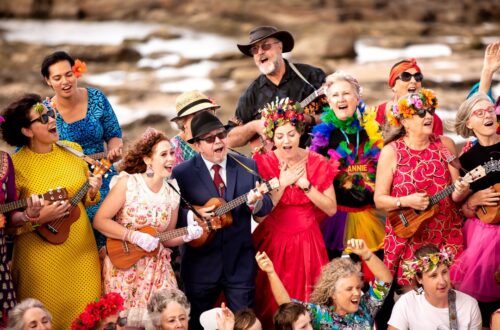
When we do something just for fun, without an outcome attached, we step out of performance. There’s no score to keep, no improvement to track, no reason to prove. The nervous system relaxes because nothing is at stake.
This kind of play restores agency.
It reminds us that we are allowed to choose what we do with our time — not because it’s efficient, but because it feels alive. That choice matters more than we often realize.
Fun without purpose doesn’t make life smaller.
It makes it more spacious.
In that space, curiosity returns. Laughter comes more easily. Creativity stops feeling like a demand and starts feeling like movement again.
Many adults wait for permission to do something “useful” before they allow themselves to enjoy it. But enjoyment doesn’t need to be earned. It needs to be allowed.
Doing something just for fun isn’t irresponsible.
It’s regulating.
It gives the mind a break from constant evaluation. It gives the body a signal that safety and pleasure still exist. Over time, those signals change how we show up everywhere else.
Fun doesn’t need a defense.
It already does important work.